 Solitaire Engagement Rings
 Halo Engagement Rings
 Three-Stone Engagement Rings
 Pavé Engagement Rings
 Lab Diamond & Gemstone Silver Ring
 Ruby
Ruby Emerald
 Sapphire
 Garnet
 Amethyst
 Aquamarine
 Peridot
  Blue topaz
 Morganite
 Tanzanite
 Lab Grown Diamond Ring
 Lab Grown Ruby Ring
 Lab Grown Emerald Ring
 Lab Grown Yellow Sapphire Ring
 Lab Grown Blue Sapphire Ring
 Lab Grown Moissanite Ring
 Eternity Band Ring
 Half-Eternity Band Ring
 Gemstone Band Ring
 Diamond Band Ring
 Channel Band Ring
 Bezel Band Ring
 Round
Round Oval
Oval Cushion
 Heart
Heart 10k Gold
 .925 Sterling Silver
 Yellow Gold
 White Gold
 Rose Gold
 Platinum
 Cross Rings
 Toe Rings
 Minimalist Rings
 Evil Eye Rings
 Citrine
 Smoky Quartz
 White Topaz
 Lab Grown Padparadscha
 Lab Grown Alexandrite
 Lab Grown Opal
 Lab Grown Purple Sapphire
 Emerald
 Princess
 Pear
Pear Marquise
 Asscher
 Solitaire Necklaces
 Halo Necklaces
 Cross Necklaces
 Floral Necklaces
 Heart Necklaces
 Initial Necklaces
 Nature-Inspired Necklaces
 Evil Eye Necklaces
 Hourglass Necklaces
 Chain Necklace
 Lab Diamond & Gemstone Silver Necklace
 Heart Pendants
 Cross Pendants
 Clover Pendants
 Initial Pendants
 Break-Apart Pendants
 Tahitian Pearl Pendants
 Horn Pendants
 Stud Earrings
 Drop Earrings
 Dangle Earrings
 Hoop Earrings
 Halo Earrings
 Classic Earrings
 Lab Diamond & Gemstone Silver Earring
 Heart Earrings
 Floral Earrings
 Evil Eye Earrings
 Tahitian Earrings
 Horn Earrings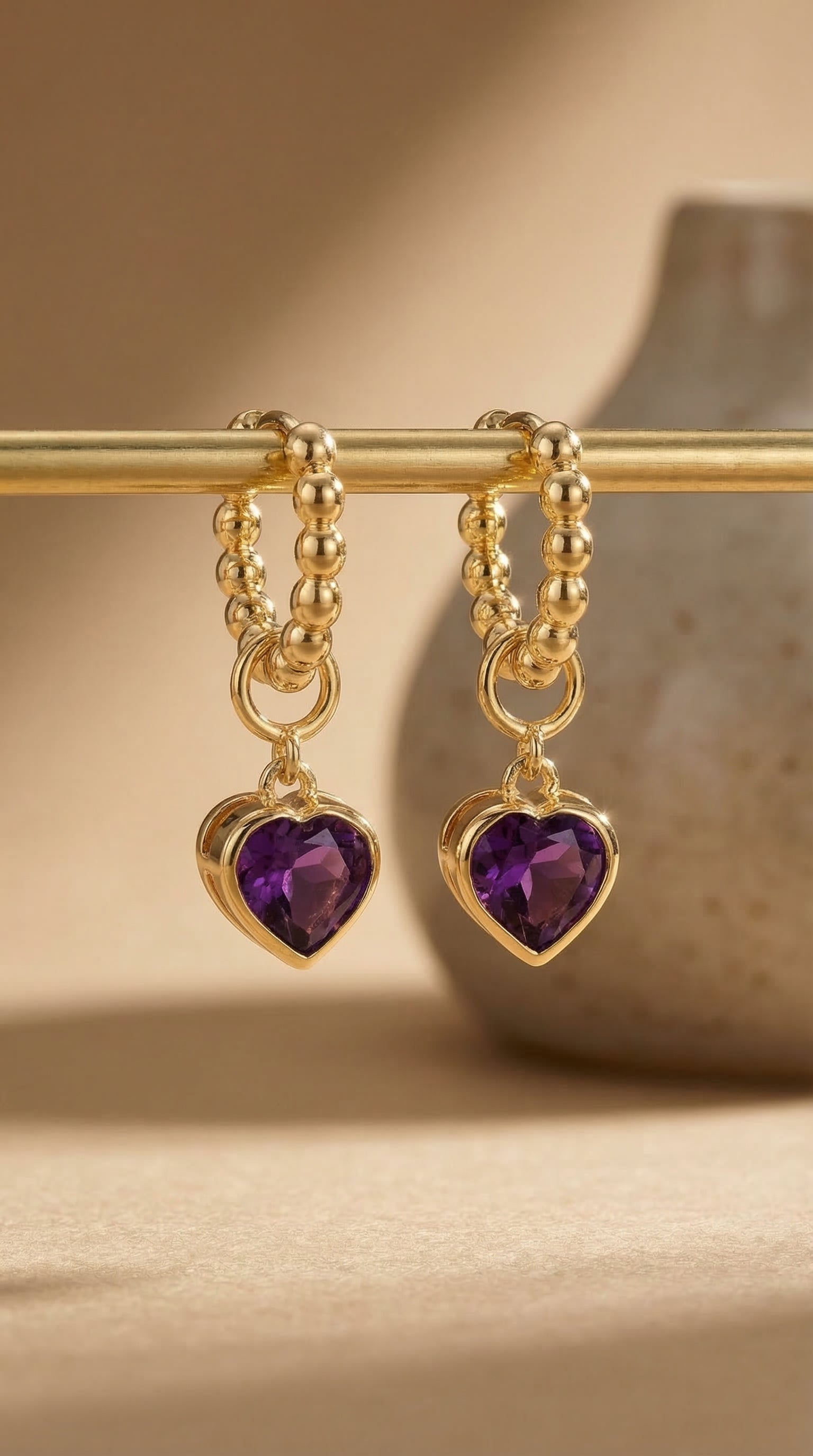
 Tennis Bracelets
 Chain Bracelets
 Bangle Bracelets
 Adjustable Bracelets
 Link Bracelets
 Station Bracelets
 Men's Bracelet
 Horn Bracelets
 Gemstone Bracelets
 Heart Bracelets
 Evil Eye Bracelets
 Infinity Bracelets
 Nature-Inpsired Bracelets
 Initial Bracelets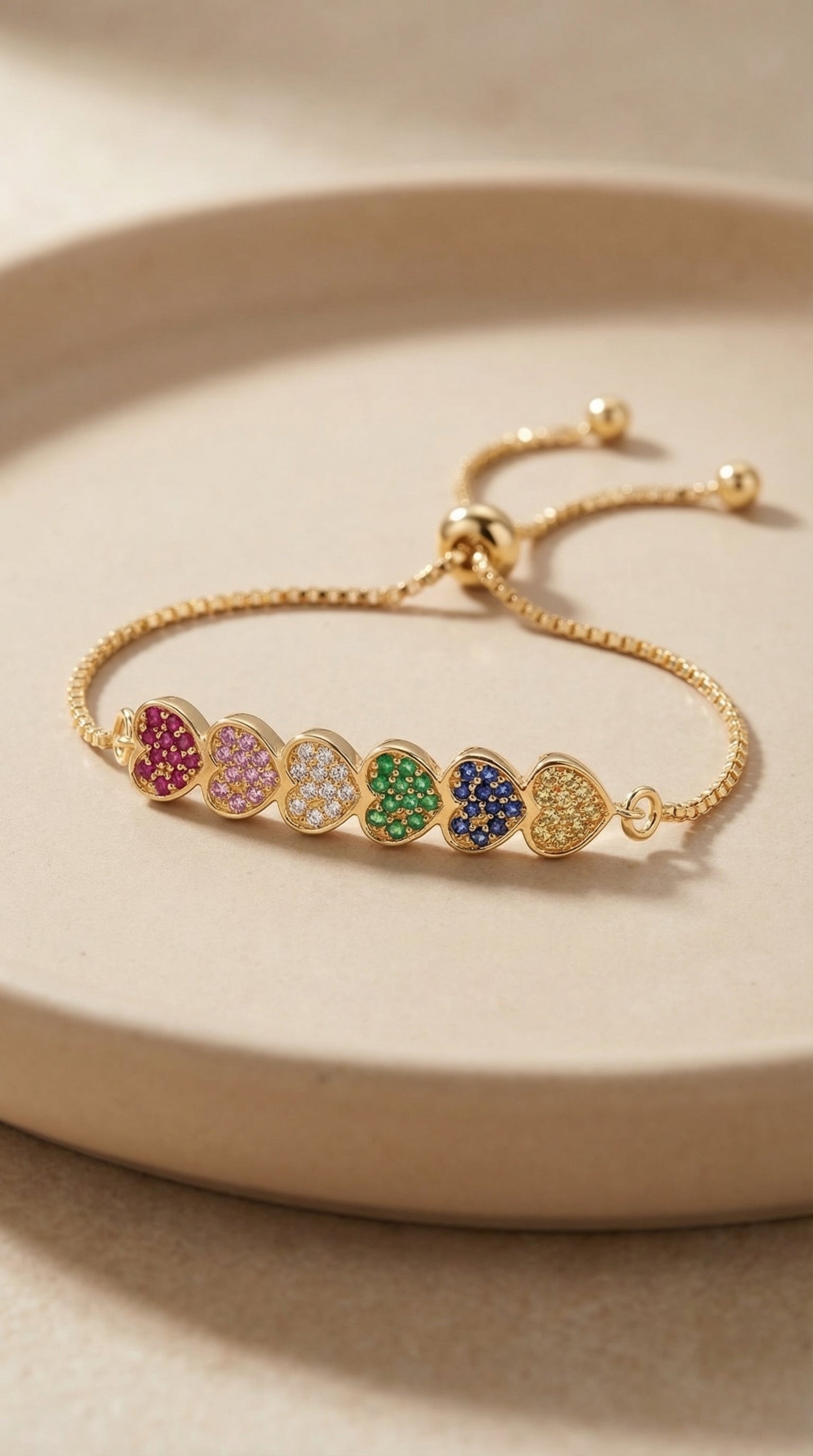
 January - Garnet
 February - Amethyst
 May - Emerald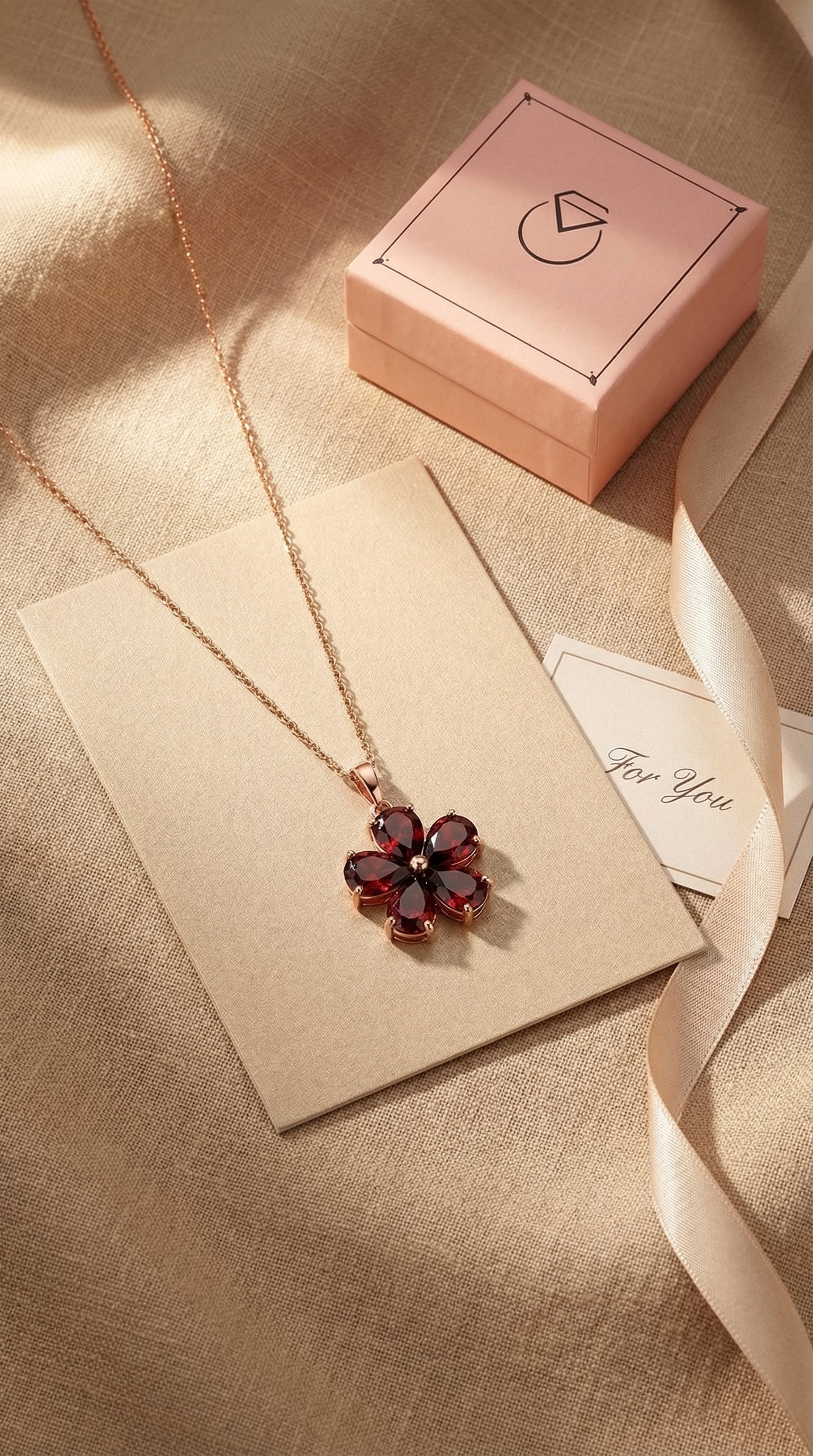
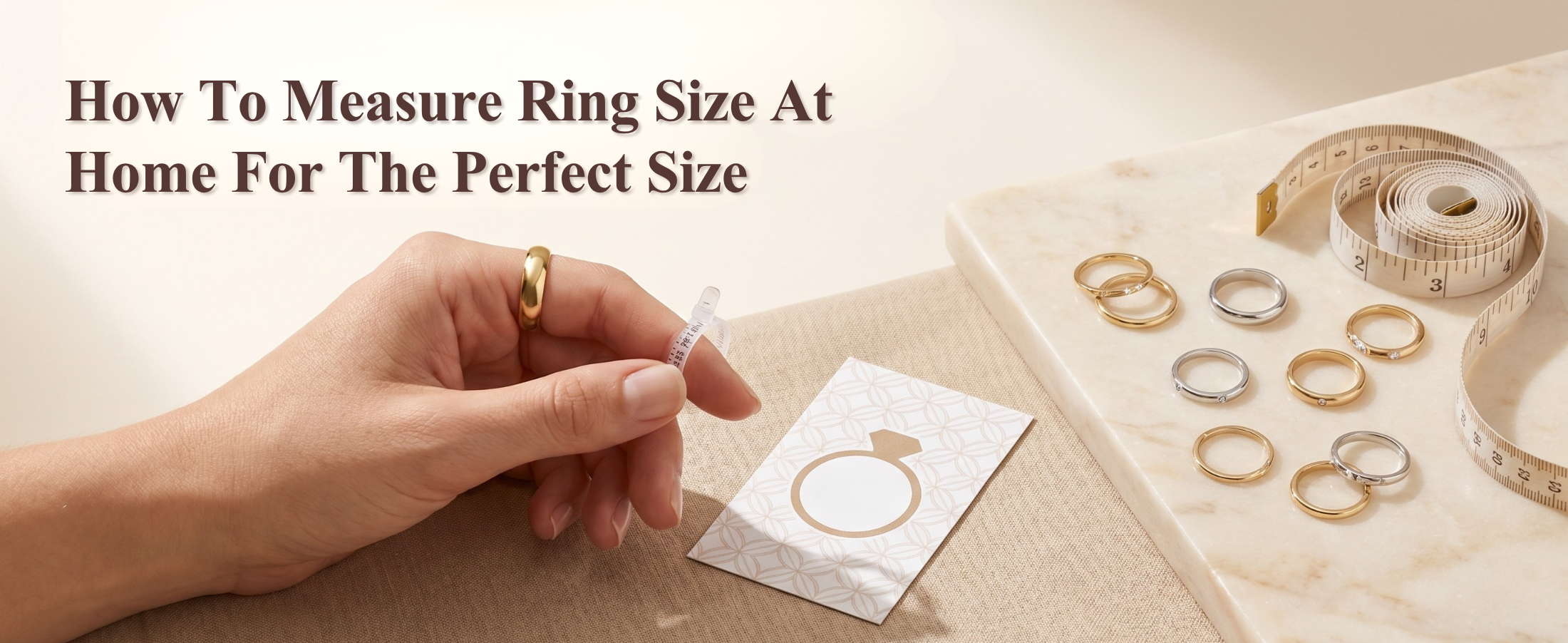
How to measure ring size at home for the perfect size
A ring that does not fit is not a ring you wear. Getting the size right before you order is the one step that makes everything else work. Knowing how to measure ring size at home saves you the return trip, the resize fee, and the wait. Most people who want to know how to measure ring size at home assume you need a jeweler to get an accurate reading. You do not. A strip of paper, a ruler, and two minutes is enough to find your size with the same accuracy a jeweler would give you, and the methods below work whether you are buying for yourself or shopping for a surprise gift.
There are five reliable ways to find ring size at home, each suited to slightly different situations. The string and paper method works when you have nothing else. Measuring an existing ring is the best option for surprise gifts. A tape measure gives you the fastest reading. A printable sizer is the most precise at-home option. And a plastic ring sizer, available for under a dollar online, is the professional tool that fits in a drawer. This guide covers all five, plus the tips that make the difference between a measurement that fits and one that does not.
Also Read:14k Yellow Gold Engagement Rings: Timeless Elegance for Your Special Moment
How to measure ring size at home: the quick answer
To measure ring size at home, wrap a thin strip of paper around the base of your finger, mark where it overlaps, and measure the length in millimeters with a ruler. That number is your finger circumference. Find it in the circumference column of a US ring size chart to get your size. For the most accurate result, measure in the evening when fingers are slightly larger, measure three times and take the average, and ensure the strip passes over your knuckle without bunching.
Why getting your ring size right matters before you order
A ring that is one full size too large will slip off during cold weather or any activity that reduces finger volume. A ring that is half a size too small is wearable but creates a pressure point that becomes noticeable after a few hours. The reason knowing how to measure ring size at home matters is that resizing is possible for most rings but not all: rings with channel-set stones, eternity bands, and textured or patterned metals are difficult or impossible to resize without affecting the design.
Your fingers also change size throughout the day. They are smallest in the morning and largest in the late afternoon or evening, after mild activity and warmth. The difference can be half a size or more. Measure when your fingers are at their most typical size, which for most people means late afternoon at room temperature, not first thing in the morning or after exercise.
Also Read: Graduation Jewelry Gifts Ideas for Daughter
How to measure ring size at home: 5 methods that work
Method 1: the string or paper strip method
This is how to measure a ring size at home with the most basic materials available. A thin strip of paper works better than string because it does not stretch and lies flat for easy measurement.
1. Cut a strip of paper roughly 1 cm wide and 10 cm long.
2. Wrap it snugly around the base of the finger you are sizing, not too loose, not digging in.
3. Mark the exact point where the paper overlaps with a pen.
4. Lay the strip flat and measure from the end to the mark in millimeters using a ruler.
5. Match the measurement to the circumference column in the size chart below.
Tip: Make sure the strip passes over your knuckle comfortably. If the knuckle is wider than the base, size up by half a size.

Method 2: how to measure ring size at home with a tape measure
If you have a flexible sewing tape measure, this is the fastest way to find ring size at home. The process is identical to the paper method but skips the cutting and marking steps entirely.
1. Wrap the tape measure around the base of your finger.
2. Note where the tape crosses the zero mark. That number in millimeters is your circumference.
3. Match it to the size chart.
Tip: Do not pull the tape tight. It should sit the way a ring would: snug but not compressing the skin.

Method 3: measure an existing ring
This is the best way to find ring size at home when you are buying a surprise gift and cannot measure the recipient directly. It works by measuring the inner diameter of a ring you know fits the correct finger.
1. Find a ring that fits the specific finger you are buying for. A ring worn on the middle finger will not give you the right size for the ring finger.
2. Place the ring flat on a white surface.
3. Measure the inner diameter straight across the center of the opening in millimeters. Do not include the metal band in the measurement.
4. Match the diameter to the diameter column in the size chart below.
Tip: If the ring falls between two sizes on the chart, size up rather than down.

Method 4: printable ring sizer
A printable ring sizer is a downloadable PDF with circles sized to standard ring diameters. You print it at 100% scale (never "fit to page"), place an existing ring over the circles until you find the one that matches the inside of the ring, and read the size directly. Many jewelers offer free printable sizers on their websites. This is the most precise way to measure finger ring size at home without any physical tools.
Tip: Always print at exactly 100% scale. Scaling the document by even 5% makes every size on the chart inaccurate.

Method 5: plastic ring sizer
A plastic ring sizer is a small linked tool with numbered tabs that slide over your finger until you find the right fit. They are available online for under a dollar and give you the same reading a jeweler uses. This is the most reliable single method if you buy rings regularly or if you are buying for multiple people. Loop the sizer around your finger, push it down to the base past the knuckle, and read the number at the point where it sits comfortably.
Tip: Order two: one for each hand. Most people find their dominant hand runs a quarter to a half size larger.

Tips for accurate results when you measure your ring size at home
A single measurement is a starting point, not a final answer. However you choose to measure your ring size at home, these habits significantly improve accuracy. The following habits significantly improve accuracy regardless of which method you use.
Measure three times and take the most common result, not the average. Fingers shift slightly with each wrap, and three readings will usually produce two identical or nearly identical numbers. Measure in the evening rather than the morning. Avoid measuring immediately after exercise, after a salty meal, or in very cold weather, all of which temporarily change finger volume. If your knuckle is noticeably wider than the base of the finger, measure the knuckle too and go with a size that splits the difference, favoring the larger number.
For engagement rings and other pieces you plan to wear daily, half sizes matter. Do not round down to the nearest whole size to simplify the order. Most jewelers can produce any half size, and a ring that fits precisely from the first day is worth the specificity.
US ring size chart: circumference and diameter reference
Use the table below after you have measured your finger circumference or an existing ring's inner diameter. Most online jewelers in the US use this sizing standard.
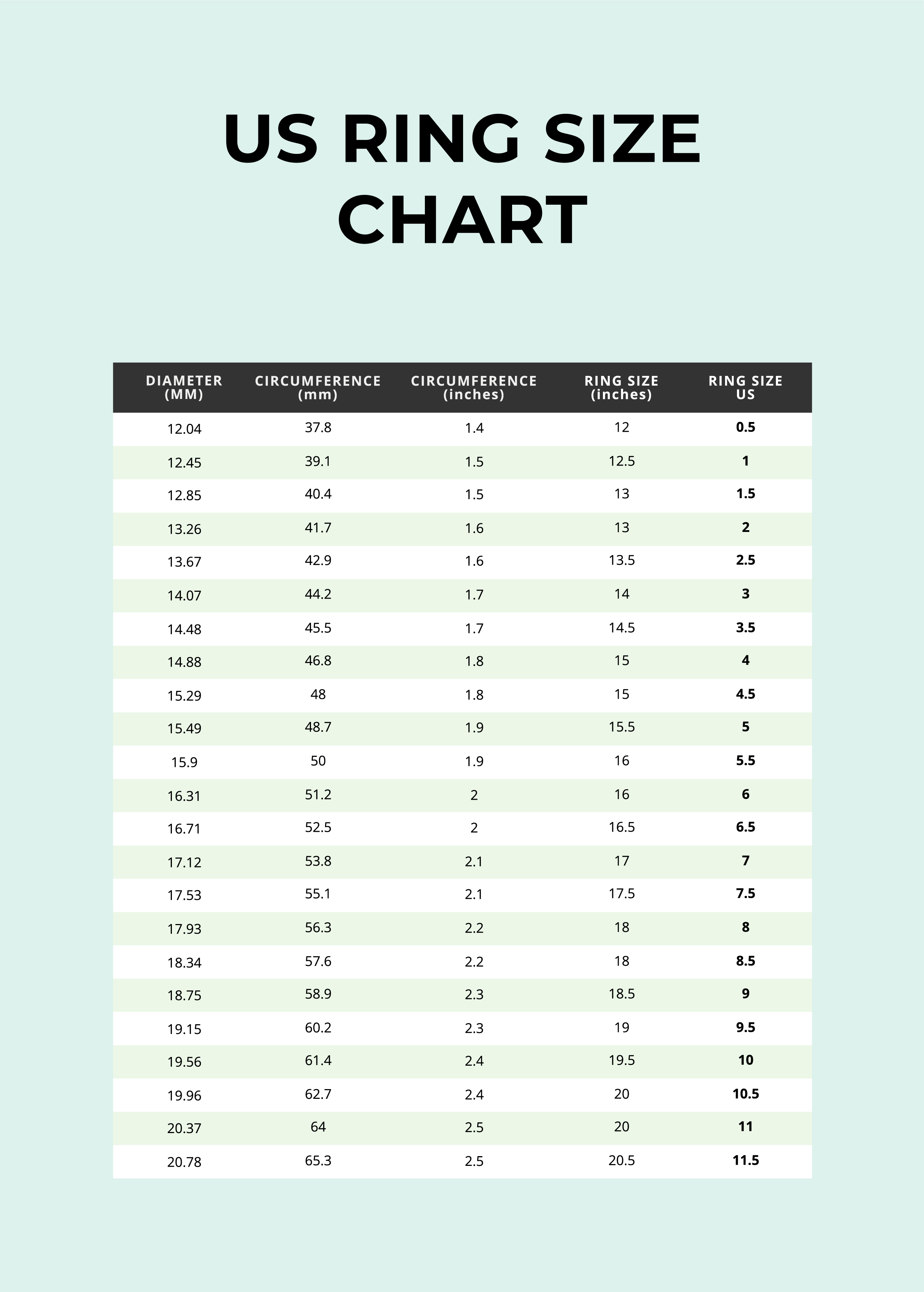
If your measurement falls between two rows, size up. A ring that slides over the knuckle with slight resistance and sits snugly at the base is correctly sized.
Knowing how to measure ring size at home is a one-time skill that pays off every time you buy a ring online. The paper strip method is how to measure ring size at home with the fewest materials and takes two minutes. The tape measure method is faster. Measuring an existing ring is the only reliable option for a surprise gift. And a printable sizer or plastic tool gives you professional-level accuracy from your kitchen table.
The variables that trip most people up are not the method itself but the conditions: measuring in the morning when fingers are smallest, not accounting for the knuckle, or measuring only once and trusting a single reading. Correct those habits and the size you get at home will match what a jeweler would give you.
Subscribe to our newsletter for quick updates on our blogs!
Once you have your size, shop with confidence. A ring that fits is a ring you reach for every morning without thinking about it, which is the only kind worth buying.