 Solitaire Engagement Rings
 Halo Engagement Rings
 Three-Stone Engagement Rings
 Pavé Engagement Rings
 Lab Diamond & Gemstone Silver Ring
 Ruby
 Emerald
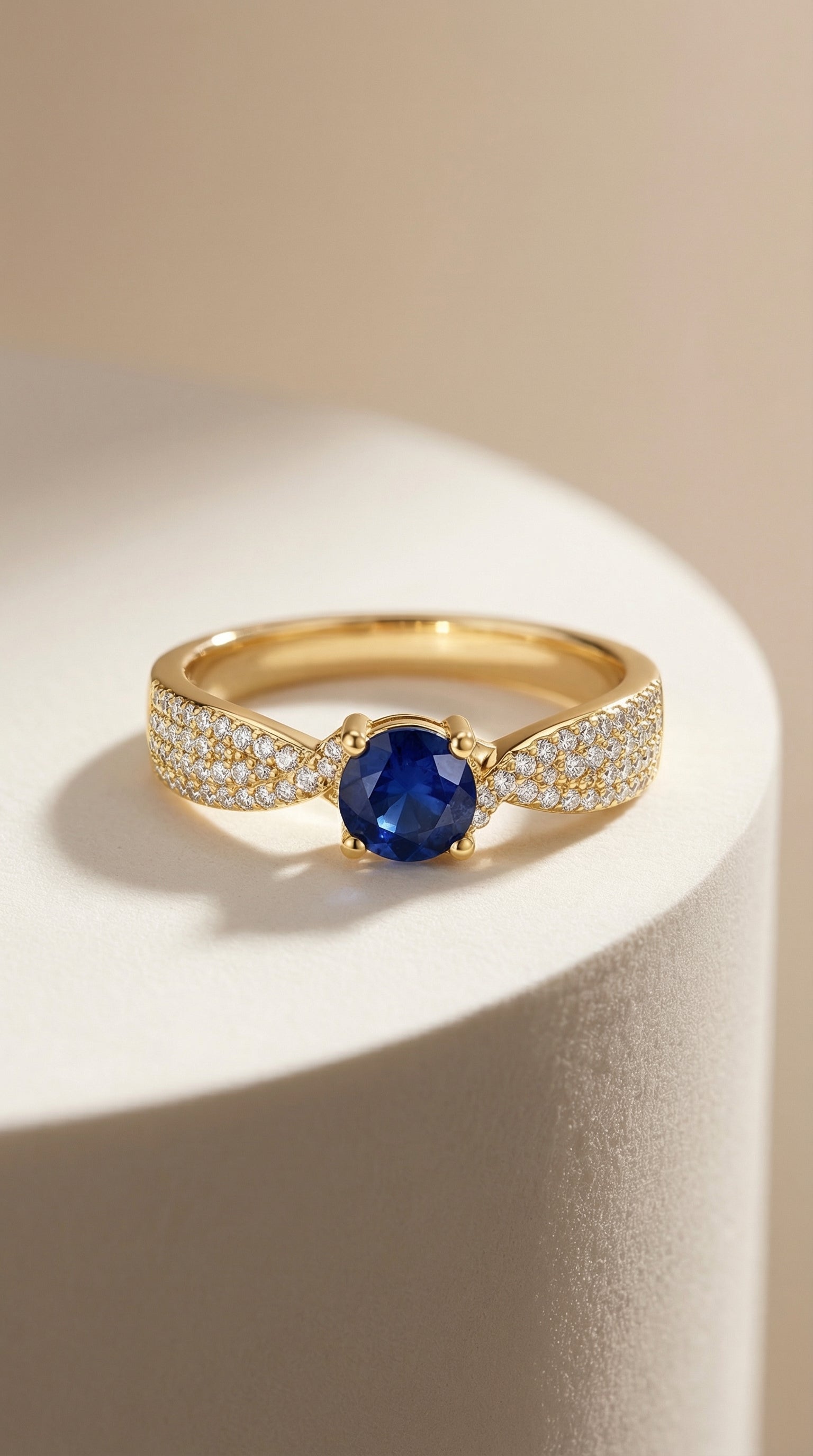
 Sapphire
 Garnet
 Amethyst
 Aquamarine
 Peridot
 Blue topaz
 Morganite
 Tanzanite
 Lab Grown Diamond Ring
 Lab Grown Ruby Ring
 Lab Grown Emerald Ring
 Lab Grown Yellow Sapphire Ring
 Lab Grown Blue Sapphire Ring
 Lab Grown Moissanite Ring
 Eternity Band Ring
 Half-Eternity Band Ring
 Gemstone Band Ring
 Diamond Band Ring
 Channel Band Ring
 Bezel Band Ring
 Round
 Oval
 Cushion
 Heart
 10k Gold
 .925 Sterling Silver
 Yellow Gold
 White Gold
 Rose Gold
 Platinum
 Cross Rings
 Toe Rings
 Minimalist Rings
 Evil Eye Rings
 Citrine
 Smoky Quartz
 White Topaz
 Lab Grown Padparadscha
 Lab Grown Alexandrite
 Lab Grown Opal
 Lab Grown Purple Sapphire
 Emerald
 Princess
 Pear
 Marquise
 Asscher
 Solitaire Necklaces
 Halo Necklaces
 Cross Necklaces
 Floral Necklaces
 Heart Necklaces
 Initial Necklaces
 Nature-Inspired Necklaces
 Evil Eye Necklaces
 Hourglass Necklaces
 Chain Necklace
 Lab Diamond & Gemstone Silver Necklace
 Heart Pendants
 Cross Pendants
 Clover Pendants
 Initial Pendants
 Break-Apart Pendants
 Tahitian Pearl Pendants
 Horn Pendants
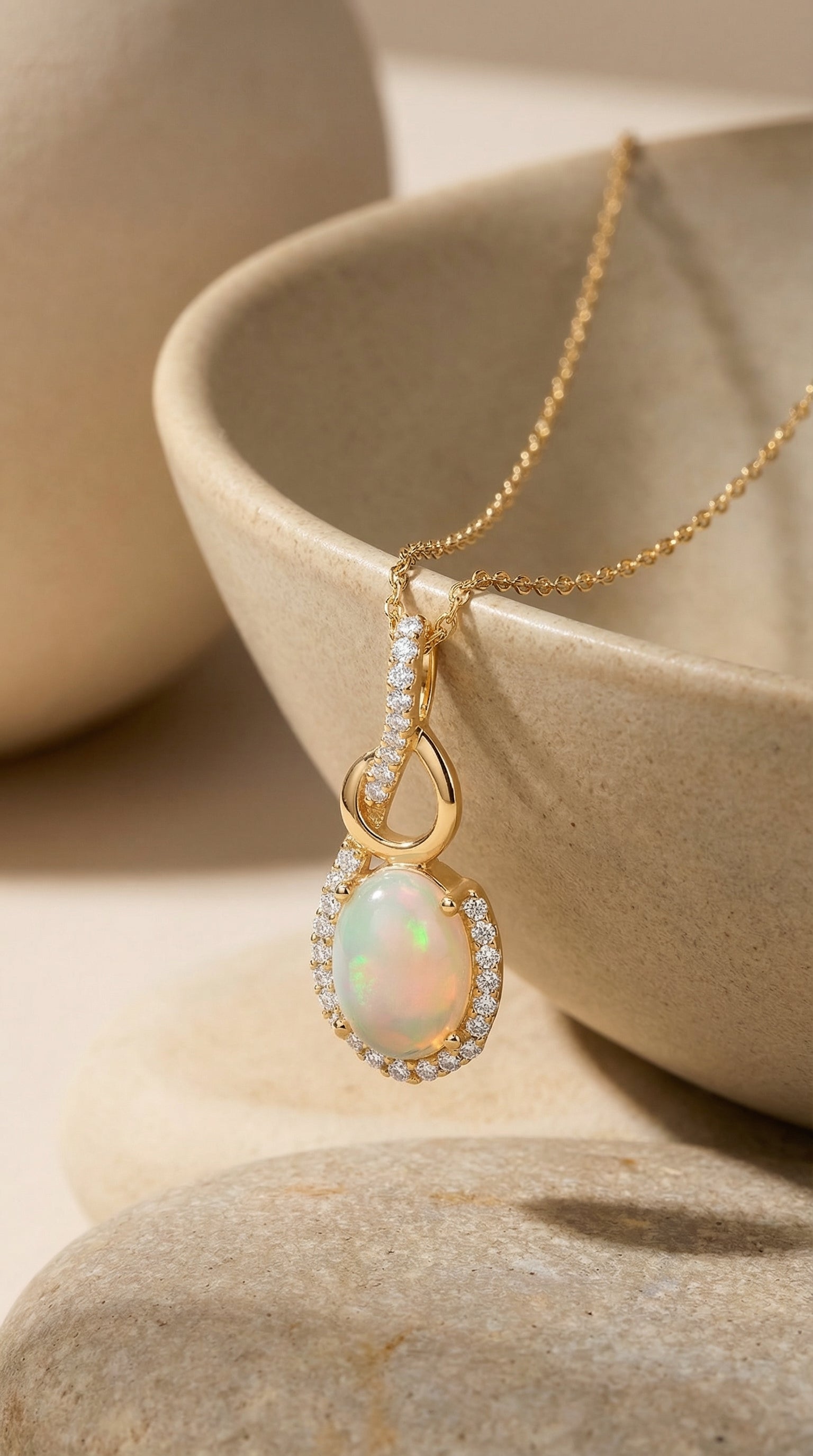
 Stud Earrings
 Drop Earrings
 Dangle Earrings
 Hoop Earrings
 Halo Earrings
 Classic Earrings
 Lab Diamond & Gemstone Silver Earring
 Heart Earrings
 Floral Earrings
 Evil Eye Earrings
 Tahitian Earrings
 Horn Earrings
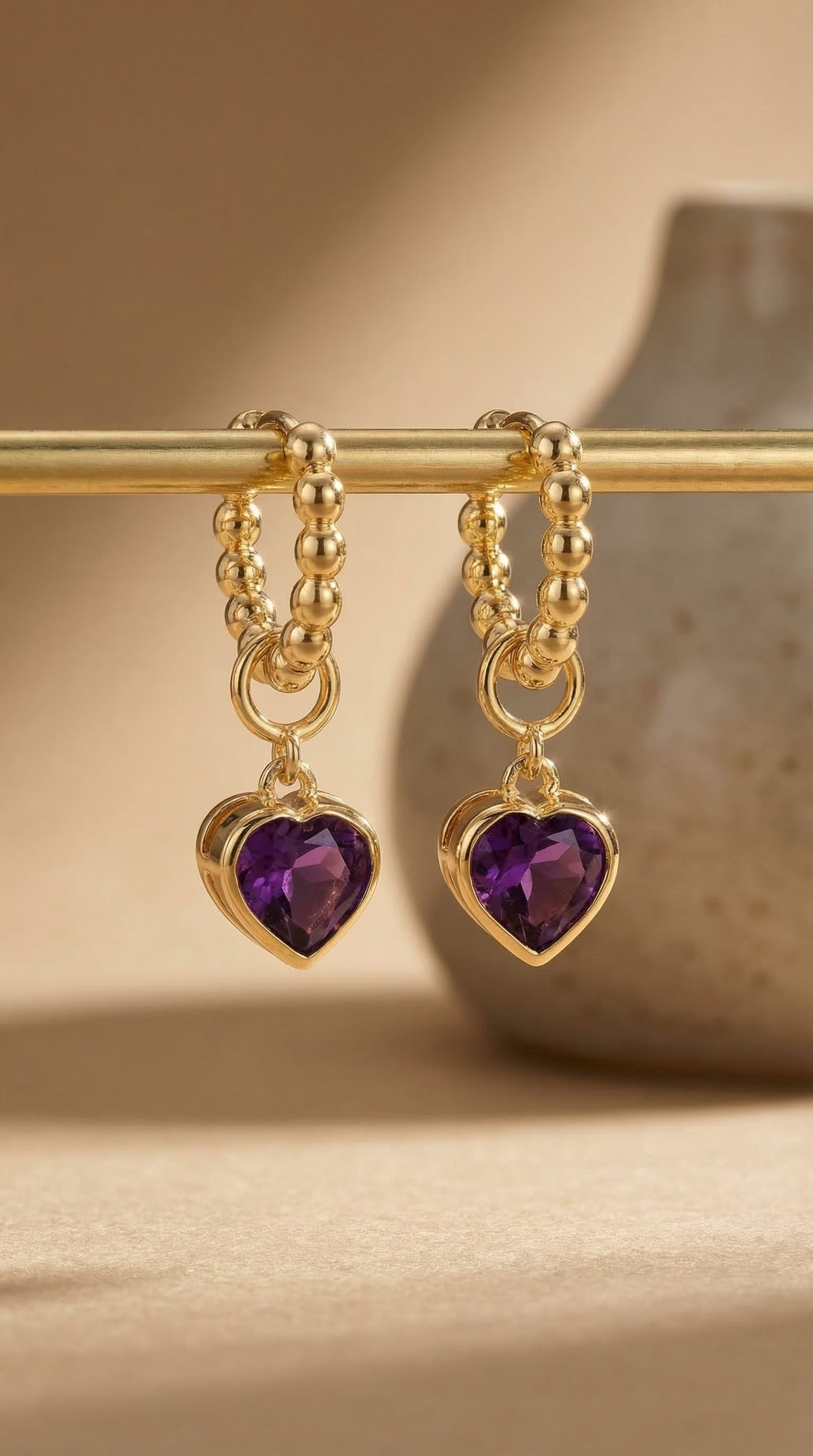
 Tennis Bracelets
 Chain Bracelets
 Bangle Bracelets
 Adjustable Bracelets
 Link Bracelets
 Station Bracelets
 Men's Bracelet
 Horn Bracelets
 Gemstone Bracelets
 Heart Bracelets
 Evil Eye Bracelets
 Infinity Bracelets
 Nature-Inpsired Bracelets
 Initial Bracelets
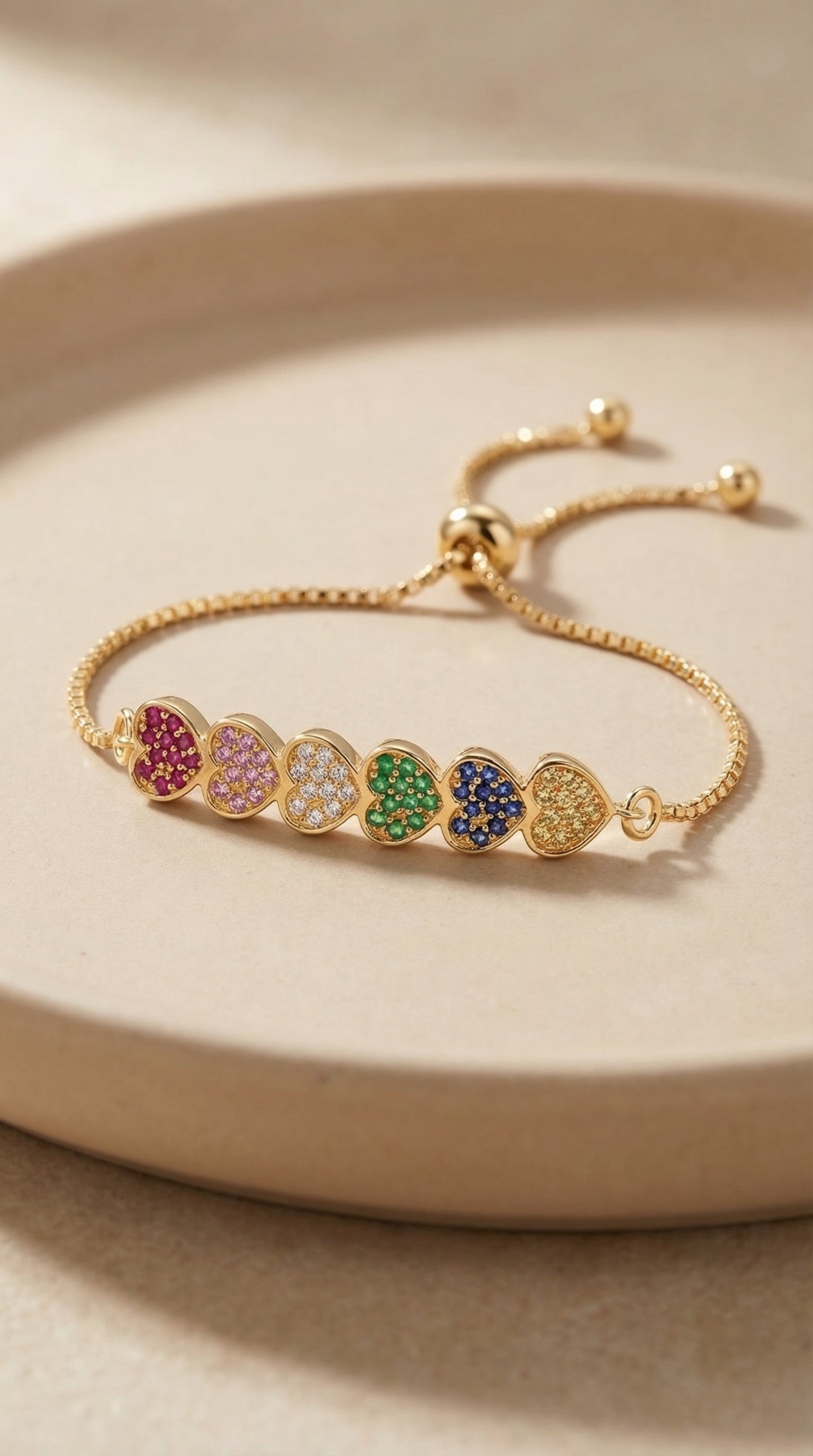
 January - Garnet
 February - Amethyst
 May - Emerald
Article: Heated Sapphire vs. Unheated: Understanding The Difference
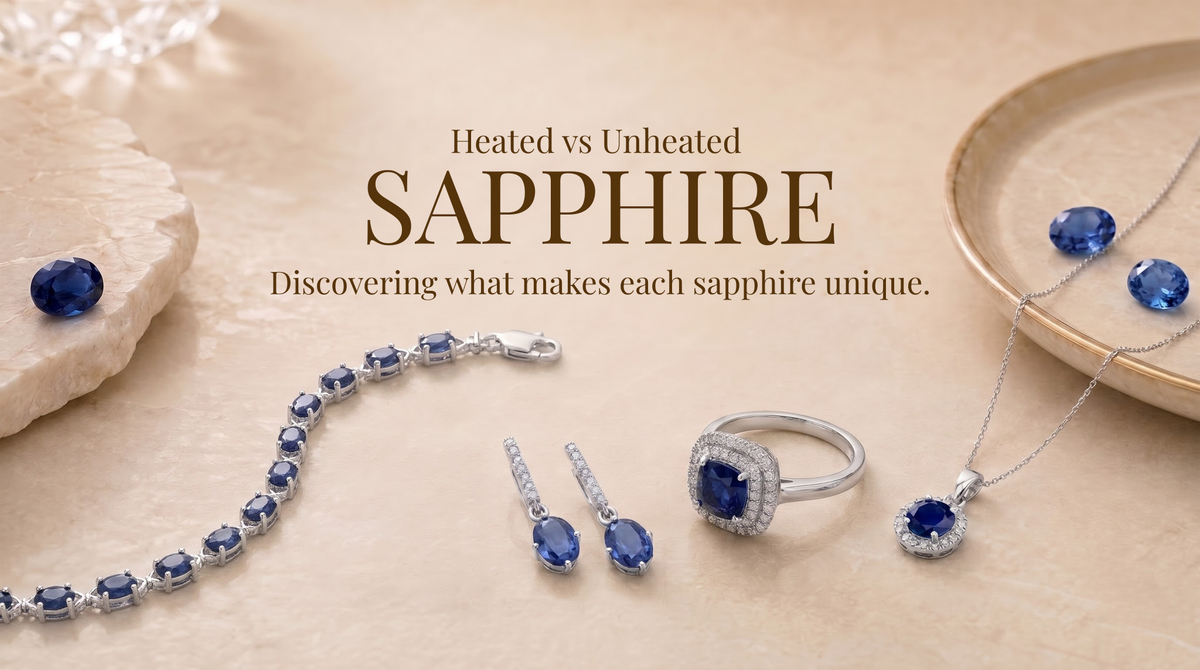
Heated Sapphire vs. Unheated: Understanding The Difference
Unheated vs. Heated Sapphires: A Plain-Language Guide
The sapphire you love may have spent a few hours in a furnace. Here is why that is usually fine, and when it is worth paying for a stone that never did.
Heated sapphire vs. unheated is the question that trips up nearly every first-time sapphire buyer. Sellers use the words casually, prices differ widely, and it is hard to know what actually matters. This guide keeps it simple. You will learn what each term means, what heating does, how the two compare, and how to buy with confidence, whichever way you lean.
What Is the Difference Between Heated and Unheated Sapphire?
The difference between heated and unheated sapphire comes down to one step. A heated sapphire has been taken to very high temperatures to improve its color or clarity. An unheated sapphire goes straight from the mine to the cutter. Both are natural, and both are real sapphire.
Most of the market is heated. Unheated stones are a small minority, with estimates ranging from under 1% to around 5% of gem-quality sapphire, so they are harder to find and cost more.
What Heating Actually Does
Heating typically takes place between 1,500 and 1,800°C in a controlled kiln, with slow cooling afterward. The process can melt away tiny needle-like inclusions called silk, which makes the stone look clearer. It can also even out uneven color and bring out a richer blue.
Nothing is added to the stone, and its hardness stays the same. A heated sapphire still rates 9 on the Mohs scale and wears just as well as an unheated one.
Heated Sapphire vs Unheated: Quick Comparison
- Appearance: Heated stones are usually cleaner and more saturated. Unheated stones show more natural variation.
- Price: Unheated costs more than heated for a similar look, because supply is limited.
- Availability: Heated sapphire is easy to find in nearly every size and color. Fine unheated stones, especially larger ones, take patience.
- Wear: The same. Both suit rings and daily jewelry.
-
Paperwork: Heated stones need honest disclosure. Unheated stones need a lab report to back the claim.
Myths, Cleared Up
Unheated sapphire vs. heated comes with a few persistent myths worth setting straight.
Myth: heated means fake. Heated sapphires are natural stones. The heat only improves what was already there.
Myth: heat makes a sapphire fragile. It does not. Durability is the same.
Myth: unheated is always prettier. Unheated means rarer, not automatically more beautiful. A fine heated sapphire can easily beat an average unheated one.
How Labs Tell Them Apart
In any heated sapphire vs unheated purchase, the naked eye cannot see the difference, and even experts need equipment. Gemologists study inclusions under magnification, looking at whether silk is intact or has dissolved and whether fractures show signs of heat. Leading labs then state their findings in the report, usually as either indications of heating or no indications of heating.
That wording matters. For any unheated claim, ask for a report from a respected lab, not just the seller’s word. Without a listing that says unheated, it is safest to assume a sapphire has been heated.
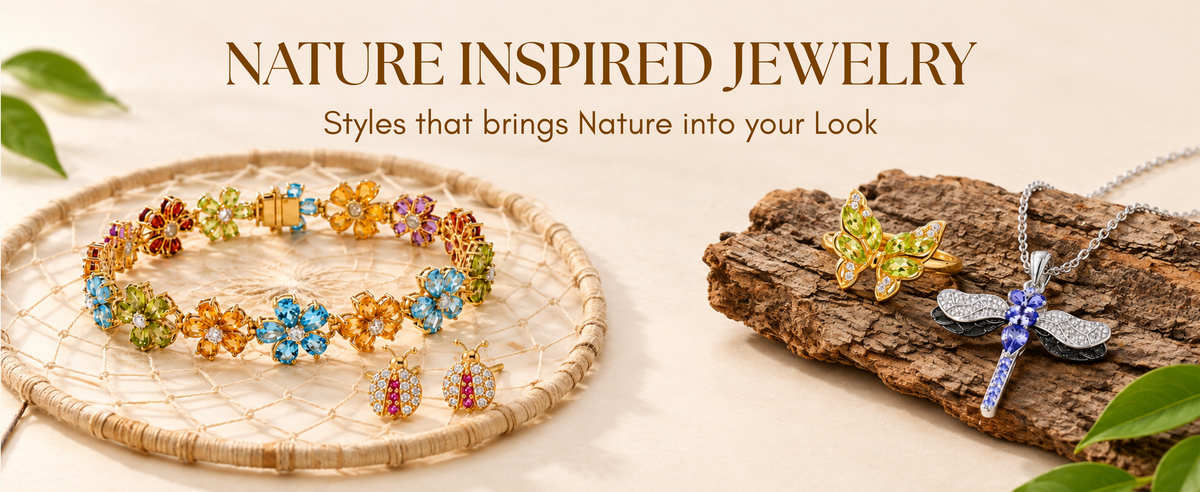
Also Read: https://finecolorjewels.com/blogs/news/nature-inspired-jewelry
Which Should You Choose?
The heated sapphire vs unheated decision is mostly about budget and taste. Go heated if you want a vivid, clean stone at a friendlier price, or if the ring will be worn daily. Go unheated if you value rarity, collectability, and a stone that has never been altered, and you are comfortable paying more.
Either way, buy from someone who answers treatment questions clearly, and get the answer in writing.
Heated sapphire vs unheated is a choice about priorities, not quality. Heat makes beautiful sapphire accessible, and unheated stones reward buyers who want something rare. Both are genuine, durable, and worth wearing. Decide what matters most to you, ask for documentation, and enjoy a stone you chose with confidence.
Subscribe to our newsletter for quick updates on our blogs.
Browse the full collection at Fine Color Jewels and find the pieces worth considering forever.