 Solitaire Engagement Rings
 Halo Engagement Rings
 Three-Stone Engagement Rings
 Pavé Engagement Rings
 Lab Diamond & Gemstone Silver Ring
 Ruby
Ruby Emerald
 Sapphire
 Garnet
 Amethyst
 Aquamarine
 Peridot
  Blue topaz
 Morganite
 Tanzanite
 Lab Grown Diamond Ring
 Lab Grown Ruby Ring
 Lab Grown Emerald Ring
 Lab Grown Yellow Sapphire Ring
 Lab Grown Blue Sapphire Ring
 Lab Grown Moissanite Ring
 Eternity Band Ring
 Half-Eternity Band Ring
 Gemstone Band Ring
 Diamond Band Ring
 Channel Band Ring
 Bezel Band Ring
 Round
Round Oval
Oval Cushion
 Heart
Heart 10k Gold
 .925 Sterling Silver
 Yellow Gold
 White Gold
 Rose Gold
 Platinum
 Cross Rings
 Toe Rings
 Minimalist Rings
 Evil Eye Rings
 Citrine
 Smoky Quartz
 White Topaz
 Lab Grown Padparadscha
 Lab Grown Alexandrite
 Lab Grown Opal
 Lab Grown Purple Sapphire
 Emerald
 Princess
 Pear
Pear Marquise
 Asscher
 Solitaire Necklaces
 Halo Necklaces
 Cross Necklaces
 Floral Necklaces
 Heart Necklaces
 Initial Necklaces
 Nature-Inspired Necklaces
 Evil Eye Necklaces
 Hourglass Necklaces
 Chain Necklace
 Lab Diamond & Gemstone Silver Necklace
 Heart Pendants
 Cross Pendants
 Clover Pendants
 Initial Pendants
 Break-Apart Pendants
 Tahitian Pearl Pendants
 Horn Pendants
 Stud Earrings
 Drop Earrings
 Dangle Earrings
 Hoop Earrings
 Halo Earrings
 Classic Earrings
 Lab Diamond & Gemstone Silver Earring
 Heart Earrings
 Floral Earrings
 Evil Eye Earrings
 Tahitian Earrings
 Horn Earrings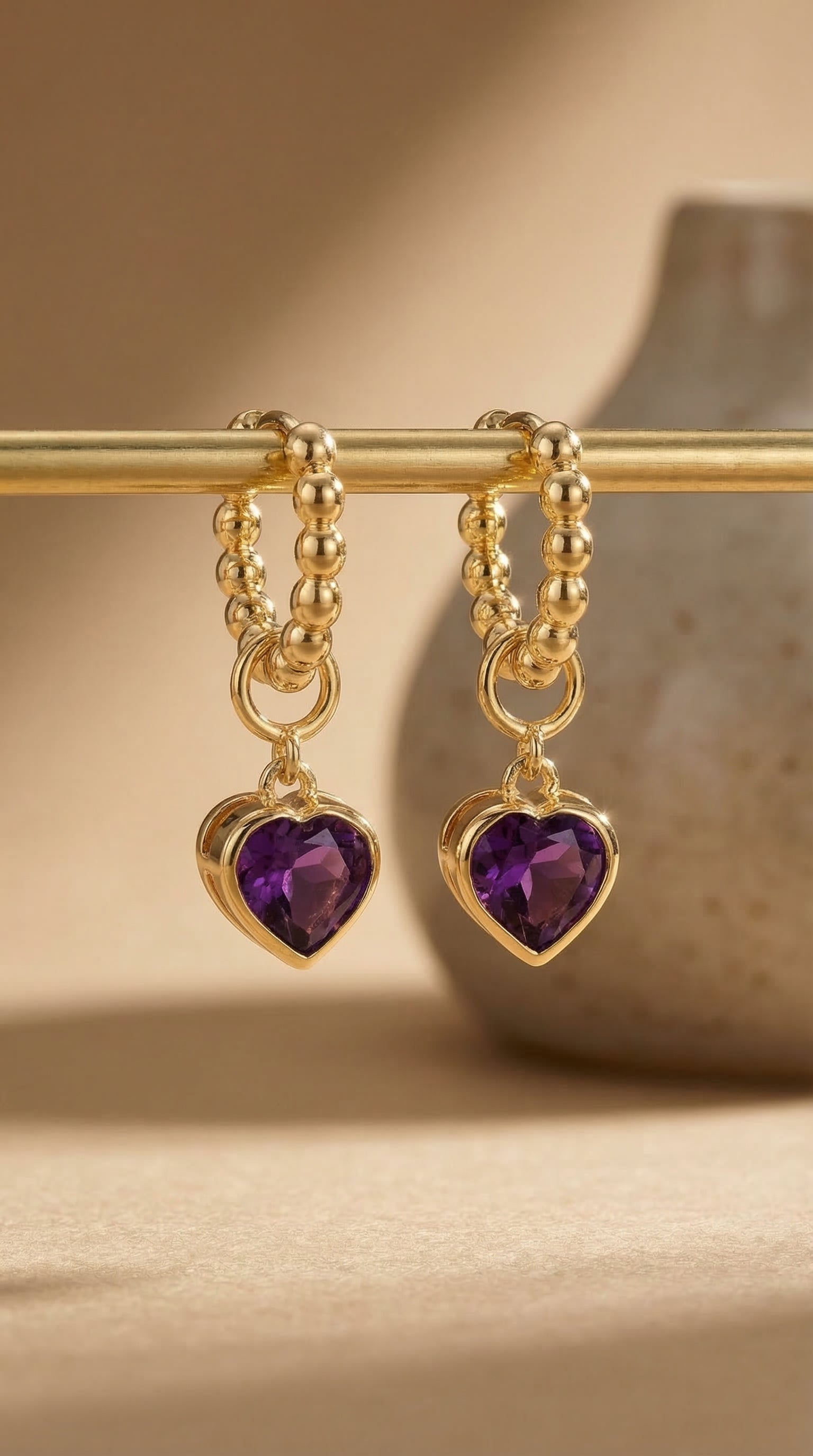
 Tennis Bracelets
 Chain Bracelets
 Bangle Bracelets
 Adjustable Bracelets
 Link Bracelets
 Station Bracelets
 Men's Bracelet
 Horn Bracelets
 Gemstone Bracelets
 Heart Bracelets
 Evil Eye Bracelets
 Infinity Bracelets
 Nature-Inpsired Bracelets
 Initial Bracelets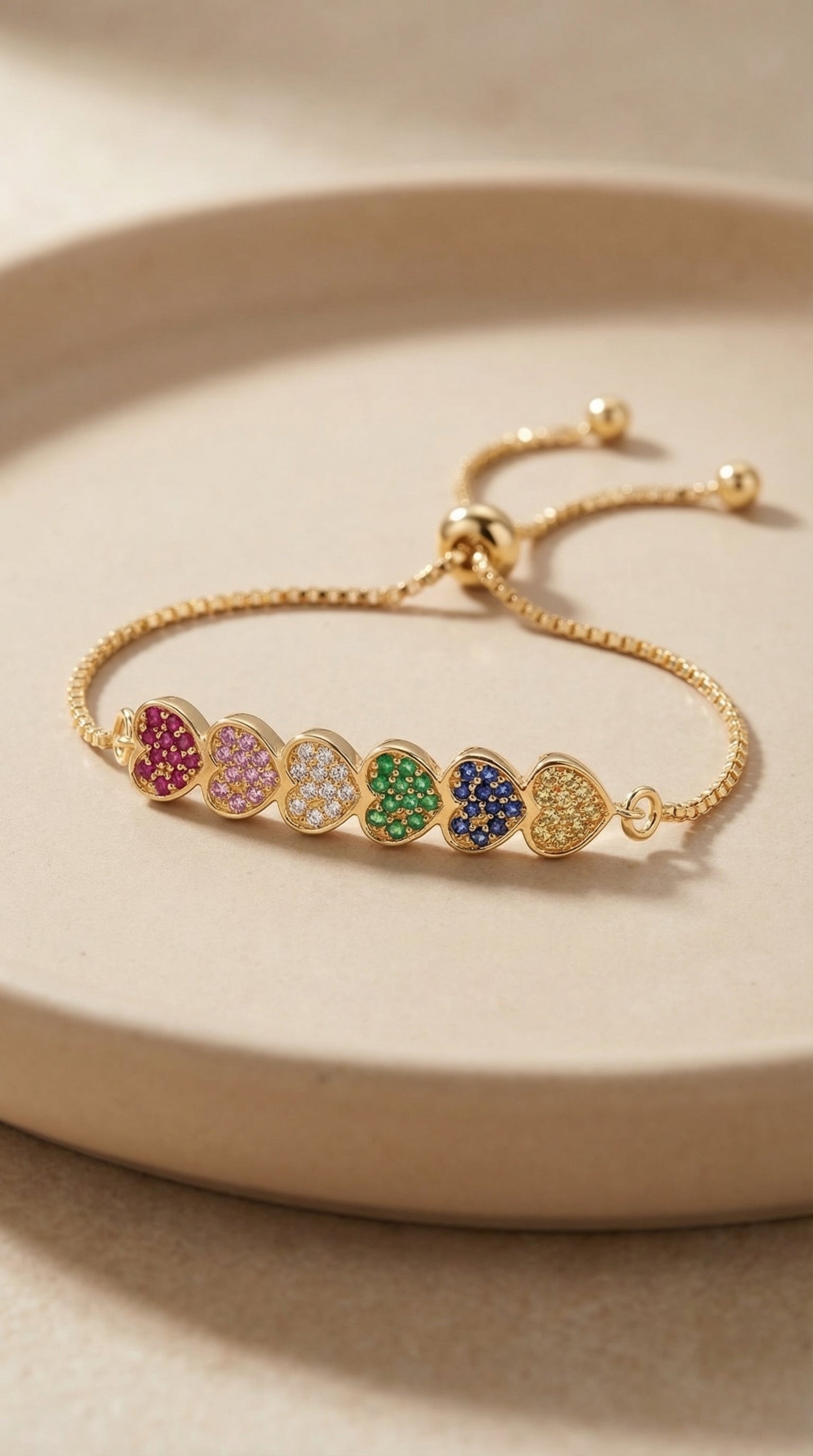
 January - Garnet
 February - Amethyst
 May - Emerald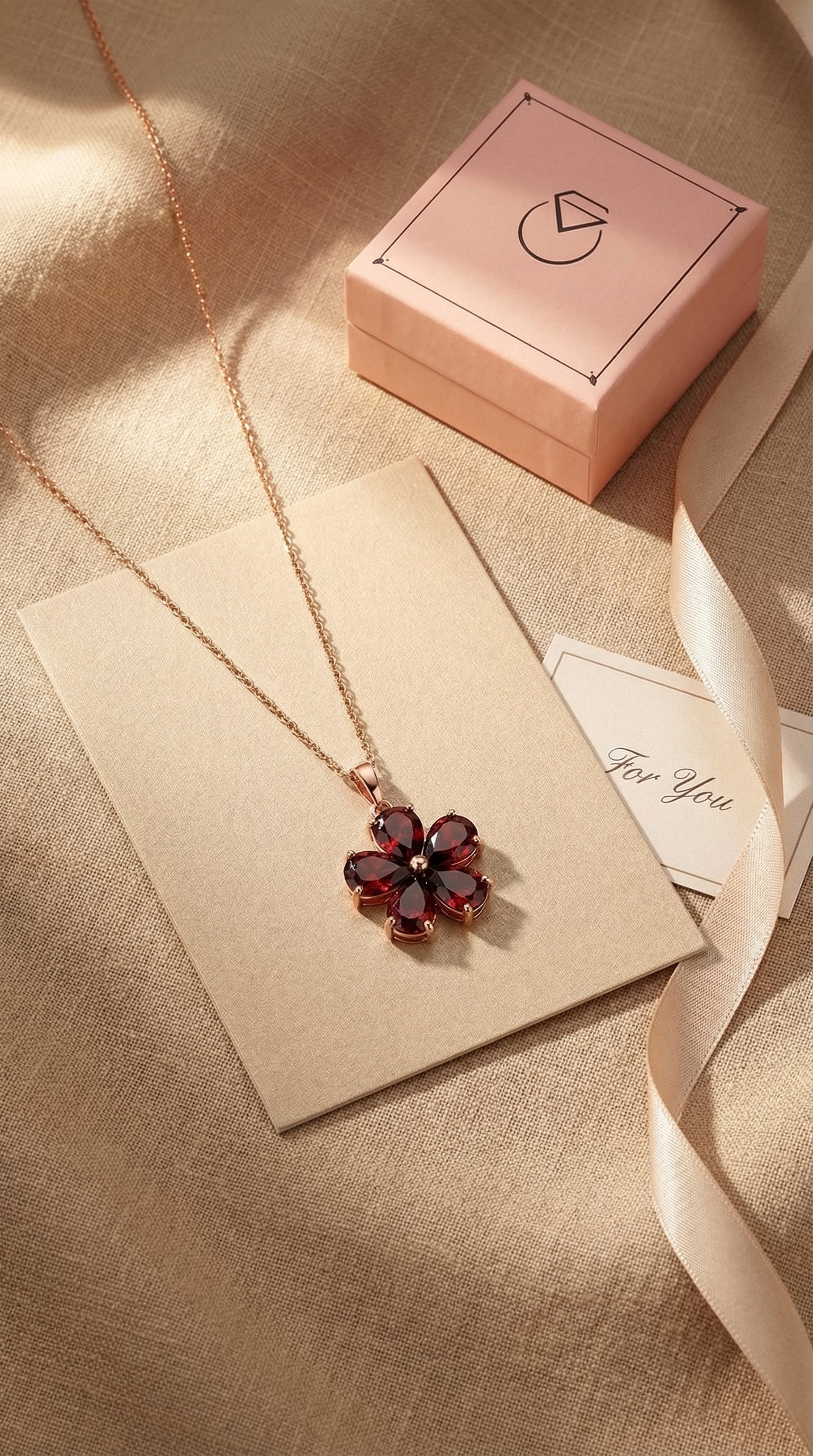
The Psychology of Jewelry: What Your Jewelry Choices Say About You in 2026
Jewelry isn’t just about adding a little sparkle to your look. Think about it—those earrings, rings, necklaces, and bracelets you pick out every day say a lot about who you are. They show off your style, hint at your mood, and even tell people a bit about how you want to be seen. The Psychology of Jewelry digs into all that. It’s not about labeling anyone, just giving you a new way to see your choices.
Also Read: 7 Best Affordable Heart-Shaped Rings in 2026
Tiny studs? Maybe you’re feeling low-key. A big, flashy ring? You want to stand out. Heart-shaped pendants and simple chains—each one sends its own kind of message. At the end of the day, it’s just a cool way to think about why you love the pieces you do.
Jewelry and Self-Expression
Jewelry’s always been about more than just looking good. It’s a way to show off a bit of yourself—your taste, your personality, maybe even the story you want to tell. Whether you’re headed to work, meeting friends for brunch, or dressing up for a big night out, the pieces you choose say something about you, even if you don’t realize it.
Also Read: Top 10 Valentines Day Gifts to Impress Your Loved One in 2026
How the psychology of jewelry affects mood and confidence
There’s something about slipping on jewelry you truly love—it just gives you that extra spark, makes you feel more polished, and ready to take on the day. When people like how they look, you can really see their mood lift. It’s not just in their heads; studies actually back this up.
-
Jewelry can reinforce a sense of identity when it matches someone’s personal style.
-
Favorite pieces may become “lucky charms” or emotional touchpoints that remind people of important moments or relationships.
Jewelry isn’t really about following rules. It’s all about what speaks to you—styles, colors, shapes that just feel right and somehow match how you see yourself.
Also Read: 7 Best Valentine’s Gifts for Her Under $150
Earrings: Framing Your Personality
Earrings sit right next to your face, so people notice them right away. The ones you pick? They tell a story—maybe you love making bold statements, maybe you always reach for those timeless classics, or maybe you’re all about keeping things simple and low-key.
Size and style
-
Small studs and minimalist designs often appeal to people who like clean lines and low-maintenance style. They may prioritize practicality, subtle elegance, and pieces that can move from day to night with ease.
-
If you love big hoops, chandelier earrings, or anything that really makes a statement, chances are you don’t mind standing out. Honestly, some people just enjoy drawing a little attention and letting their jewelry do the talking.

Shop Morganite and White Topaz Rose Gold Earrings
If you lean toward soft, romantic details, you might be drawn to feminine colors and heart motifs. A pair like Fine Color Jewels’ Genuine Morganite and White Topaz Rose Gold Over Silver Earrings can appeal to someone who likes modern romance with a refined twist.
 Shop Genuine Pink Topaz Heart Stud Earrings
For a playful, sweet look that still stays easy to wear, Genuine Pink Topaz Heart Stud Earrings may speak to a fun-loving personality that enjoys a touch of color without going overboard.
Shapes and energy
-
Circular and curved designs (like hoops and soft dangles) often give off a relaxed, easygoing vibe.
-
Angular or geometric shapes can read as more structured and modern, which some people associate with a more analytical or design-focused side of themselves.
These interpretations are not strict rules, but they can help explain why certain earring styles feel “so you” while others never make it out of the jewelry box.
Also Read: Self-Love Valentine’s Day Jewelry: Gifts You Buy for Yourself in 2026
Bracelets: How You Move Through Your Day
Bracelets are visible to you as often as to others, which can make them feel especially personal. In the Psychology of Jewelry, bracelets often relate to how you move, gesture, and interact with your everyday environment.
Bracelet style and personality
-
Simple chains and sleek bolo bracelets often appeal to those who like versatile, easy-to-style pieces. These wearers may appreciate a polished, everyday look that doesn’t require much thought.
-
Tennis bracelets and gemstone pieces are perfect if you love that timeless, polished look—even when you’re just in jeans and a T-shirt. They add a little something extra, the kind of sparkle that makes an ordinary day feel special.
 Shop Two-Tone Peridot & White Topaz Bolo Infinity Bracelet
Take the Two-Tone Peridot & White Topaz Bolo Infinity Bracelet in Sterling Silver. If that caught your eye, you probably appreciate a sense of balance, both in your style and maybe in life, too. The bolo closure? Super easy to adjust, so it always fits right. And the infinity symbol? It’s subtle, but if you like jewelry with a bit of deeper meaning—something about connection, or things coming full circle—it hits the mark.
 Shop Natural Diamond and Amethyst Heart Tennis Bracelet
A piece like the Natural Diamond and Amethyst Heart Tennis Bracelet in Silver might attract someone who enjoys a romantic, slightly luxurious look and wants their bracelet to feel meaningful as well as beautiful.
Also Read: From 14K to 10K Gold: 10 Unique Mother's Day Gold Jewelry Gifts 2026
Fit and feel
-
A close, secure fit can feel reassuring and polished, which some people prefer when they want everything in place.
-
Looser, more fluid bracelets can feel relaxed and easygoing, aligning with a more casual or spontaneous style.
Most people don’t really stop to think about it, but the way a bracelet shifts and moves on your wrist can make a big difference in how comfortable you feel—and how confident, too.
Rings: Identity on Your Hands
Rings are often linked with important life moments and relationships, but even everyday fashion rings can reflect aspects of personality and mood. Within the Psychology of Jewelry, rings are frequently associated with identity, commitment, and self-image.
Ring design and self-image
-
Slim bands and stackable rings can appeal to those who like to personalize their look and mix pieces to suit different days or outfits.
-
Bold center stones and cocktail rings often attract people who enjoy expressive fashion and aren’t afraid of a little spotlight.
 Shop Natural Blue Topaz Floral Halo Ring
A design like the Natural Blue Topaz Floral Halo Ring may appeal to someone who appreciates calm, serene color with a soft, romantic design. The floral halo can feel fresh and feminine without being overly formal.
 Shop Natural Red Garnet Silver Flower Ring
By contrast, the Natural Red Garnet Silver Flower Ring has a richer, deeper look. People who choose this style may be drawn to warmth, depth, and a slightly more dramatic color palette.
Finger choice
Some people also enjoy the idea that different fingers can suggest different aspects of life:
-
Ring finger: Often used for relationship and commitment symbolism in culture, even when the ring is not bridal.
-
Index finger: Sometimes chosen for pieces that feel a bit more assertive or leadership-oriented.
-
Middle finger: Can feel balanced and central, which some people simply find visually pleasing.
-
Pinky rings: These are usually all about making a statement or showing off a bit of individuality.
Honestly, with the Psychology of Jewelry a lot of these associations come from culture, not science, but they still add something extra to why people wear rings the way they do.
Necklaces: Your Story, Right by Your Heart
Necklaces land near your heart and collarbone, so they naturally draw the eye. When you think about the psychology of jewelry, necklaces kind of set the tone for how you want people to see you—whether that’s romantic, minimalist, bold, or sentimental.
Length and Style
-
Short chains and chokers feel modern and confident. People who keep up with trends or just want a fashion-forward look tend to reach for them.
-
Classic pendant necklaces are popular with people who want something meaningful yet easy to wear every day.
-
Larger or layered necklaces tend to attract those who enjoy making more of a statement with their accessories.
 Shop Genuine Morganite 18K Rose Gold Over Silver Heart Necklace
 Shop Natural Citrine 925 Pendant Necklace
Pendants as personal symbols
Pendants often carry extra meaning:
-
Hearts can reflect affection, warmth, and a focus on relationships.
-
Floral and nature-inspired jewelry really speaks to people who love creativity, growth, or just want to feel a bit closer to nature.
-
Gemstone colors often align with how people want to feel—calmer, bolder, or more grounded.
Again, these are gentle tendencies rather than rules in the psychology of jewelry, but they help explain why some people consistently reach for the same type of necklace.
Color, Gemstones, and the Psychology of Jewelry
Color plays a key role in how jewelry feels. In color psychology, different tones are often associated with different emotional impressions, and many jewelry lovers find themselves repeatedly drawn to certain shades.
Common color impressions in jewelry
-
Red and deep wine tones (like garnet): Often linked with intensity, passion, and richness in style.
-
Pink (such as morganite or pink topaz): Frequently associated with softness, romance, and a gentle, approachable look.
-
Blue (blue topaz, aquamarine tones): Many people find blues calming, clear, and refreshing.
-
Yellow and golden hues (like citrine): Often seen as bright, optimistic, and uplifting.
-
Green (such as peridot): Commonly connected with freshness, balance, and a sense of renewal.
-
Purple (amethyst): Often viewed as creative, slightly mysterious, and expressive.
We tend to link certain colors and styles with personalities and occasions, not because of some hard rule, but because of the way our culture shapes us. That’s why some colors or pieces just “feel right” for certain people or moments.
Subscribe to our newsletter for quick updates on our blogs.
How to Use the Psychology of Jewelry in Your Style
Using the psychology of jewelry is really about being aware and having fun with what you wear. It’s not about judging yourself or others. If you want your accessories to feel more intentional, thinking about their meaning can help.
You might ask yourself:
-
Do I feel most like myself in minimalist or statement pieces?
-
Which colors boost my mood when I see them in the mirror?
-
Do I want my jewelry to be subtle and personal or more visible and expressive?
Whether you reach for heart-shaped gemstone earrings, a floral halo ring, an infinity bracelet, or a sunny pendant necklace from Fine Color Jewels, you’re making a statement—the psychology of jewelry says a lot about your taste, your mood, and maybe even the kind of day you want to have.